A fresh-looking room rarely comes from one dramatic cleaning session. Low-dust home habits make a bigger difference because they prevent buildup from becoming part of the background. These habits can be small, flexible, and easy to adjust for a busy household. They focus on keeping air, surfaces, fabrics, and storage working together. Once a home collects less dust, it also becomes easier to clean when needed. That can make everyday spaces feel calmer and more comfortable. The purpose is not to chase perfection or remove every trace of life from a room. It is to build a home that feels easier to care for. Consistent choices often create the cleanest results.
Different rooms collect dust for different reasons. Bedrooms may gather fibers from bedding, clothing, and soft furniture. Living rooms often collect particles around rugs, electronics, and open shelving. Kitchens can hold dust near vents, cabinets, and small appliances. Begin by observing where buildup appears first in your home. This gives you a more useful starting point than cleaning every space the same way. A room with many textiles may need more frequent washing. A room with a busy entry point may need stronger floor care. Awareness turns cleaning into a targeted response. That makes each task feel more effective and less repetitive.
Simple routines are easier to keep than ambitious schedules that disappear after one week. Choose a few tasks that can happen on the same day as laundry, grocery shopping, or meal preparation. Wipe high-touch surfaces while waiting for coffee or dinner to finish. Shake cushions and blankets before vacuuming. A practical home cleaning rhythm makes freshness feel built into daily life instead of added on afterward. Rotate deeper tasks across the month rather than trying to do them all at once. This approach creates a steady baseline. Your home stays more comfortable even when life becomes busy. Repetition is often more valuable than intensity.
Clearer floors make dust control much simpler. When bags, shoes, boxes, and small furniture crowd the ground, particles collect around them quickly. Give everyday items a designated home so they do not become temporary floor storage. Use baskets or closed cabinets for objects that tend to migrate. Keep a path around larger furniture when possible. This makes vacuuming or sweeping faster and more complete. You do not need a minimalist home to create useful open space. You only need enough room to clean without moving ten things first. That practical freedom can transform how regularly you maintain a room.
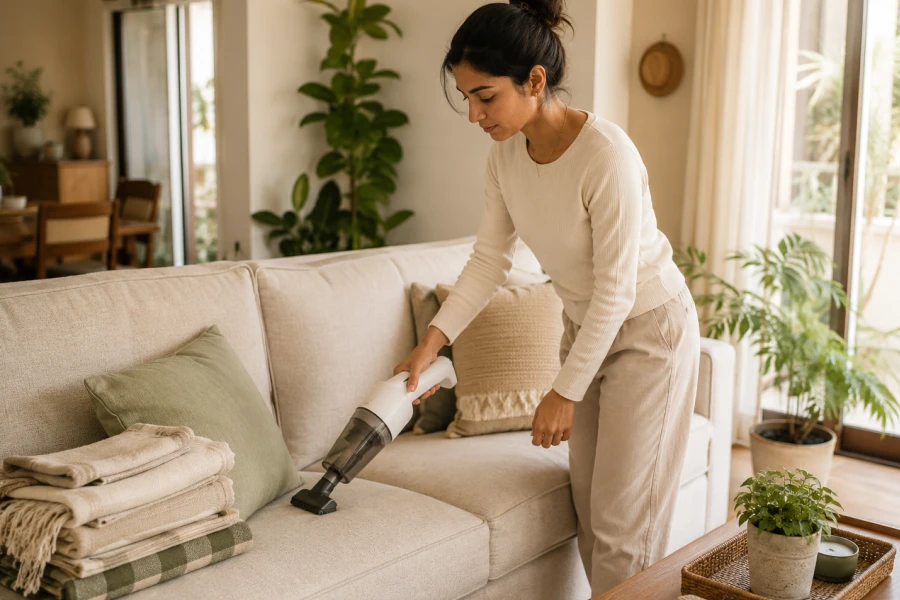
Fabrics create warmth, texture, and comfort, but they need regular refreshment. Choose washable pillow covers, throws, and slipcovers when selecting new pieces. Keep spare covers available for high-use areas if your household needs them. A focused allergen-conscious cleaning approach can include gentle laundering, vacuuming upholstery, and rotating textiles regularly. Avoid piling unused blankets on chairs or sofas for long periods. Store seasonal fabrics in closed containers when they are not needed. These steps help rooms feel fresher without changing their style. Soft materials can stay inviting while becoming easier to maintain. Good care protects both comfort and cleanliness.
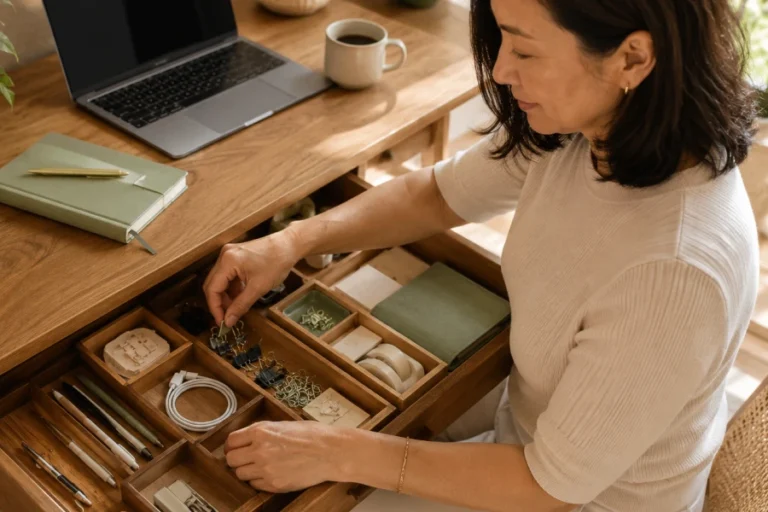
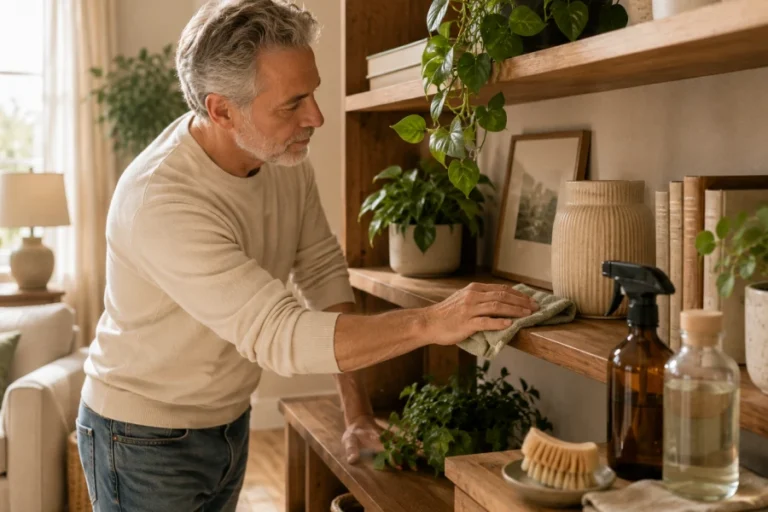
Open storage can be beautiful, but it demands more regular cleaning. Reserve open shelves for items you truly use or enjoy looking at. Store backups, paper goods, hobby materials, and seasonal supplies behind doors or inside lidded containers. This keeps particles from settling on objects that serve no daily purpose. A thoughtful clutter-free cleaning plan can begin by reducing what must be moved before wiping surfaces. Group similar items together so they are easier to handle. Clear storage boundaries make rooms feel more intentional. They also make quick cleaning sessions more realistic. Less visible clutter often means less visible dust.
Air quality and dust control are closely connected in everyday living spaces. Keep vents clear and vacuum them carefully when buildup appears. Replace or clean filters according to the recommendations for your equipment. Avoid blocking airflow with storage boxes or dense furniture placement. A regular ventilation maintenance habit supports fresher rooms without adding much time to your schedule. Use natural ventilation thoughtfully when local conditions allow. Pay attention to rooms that feel stale even after cleaning. Those spaces may need better circulation rather than more fragrance. Freshness should feel comfortable, not artificial.
Some spaces need more attention because they carry more activity. Entryways, hallways, kitchens, and living rooms often receive the most foot traffic. Place practical mats where shoes first enter the home. Create a clear landing place for bags, jackets, and everyday essentials. Wipe nearby surfaces regularly because dust and dirt often move outward from these zones. A home becomes easier to manage when its busiest areas have the strongest systems. Do not expect every room to need the same care. Give high-traffic spaces the structure they deserve. That choice protects quieter rooms from extra buildup. It also makes daily maintenance more strategic.
The most effective home habits are usually the least dramatic. Put shoes away near the door. Fold and store unused throws. Clear a table after dinner. Wipe a shelf before dust becomes obvious. These decisions take only a few minutes, yet they change how a room feels over time. A home becomes easier to clean because clutter does not have time to settle into the routine. You begin noticing the small sources of dust before they become large tasks. This kind of care feels less like cleaning and more like protecting your comfort. A lighter home often begins with lighter habits.


Leave a comment